
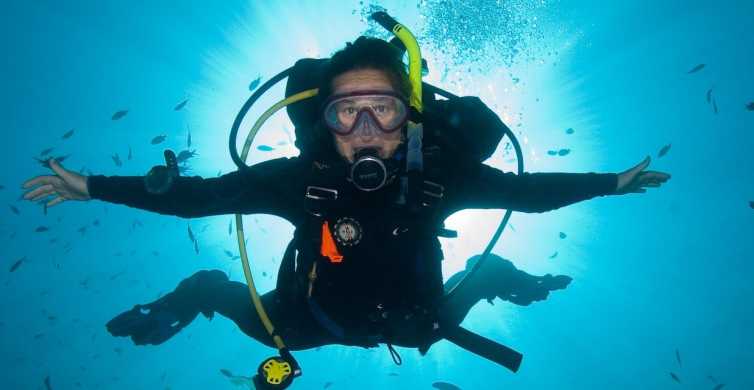
Funchal beginner scuba diving experience, 2 hours
A short introduction to scuba diving off Funchal for people who have never dived before. The session lasts about two hours.
- 2 h
from €43 per person
Check availabilityvia GetYourGuide
Madeira is not a classic beach island, but swimming here is one of its pleasures: lava rock pools filled by the Atlantic, sea-water lidos in Funchal, a handful of golden and black sand beaches and clear water for snorkelling. This guide explains when the sea is warm enough, where to swim and how to do it safely.
The Atlantic around Madeira never gets really cold, but it never gets tropical either. On average the sea is about 18 °C from January to April, 19 °C in May, 20 °C in June, 22 °C in July, 23 °C in August and September, 22 °C in October, 21 °C in November and 19 °C in December.
For most people, the comfortable swimming season runs from June to October. In winter and spring, hardy swimmers still go in, especially in the sheltered lidos, and a thin wetsuit makes snorkelling much more pleasant. Check the current sea temperature and waves in the box on this page, and see Madeira weather for air temperatures month by month.
Most of Madeira's coast is cliffs and rock, so there are few sandy beaches. Calheta and Machico have golden sand brought in to create calm, sheltered beaches; Seixal and Prainha have natural black volcanic sand; Funchal's Praia Formosa is a long pebble beach. For a true sandy beach, take the ferry to Porto Santo and its 9 km of golden sand.
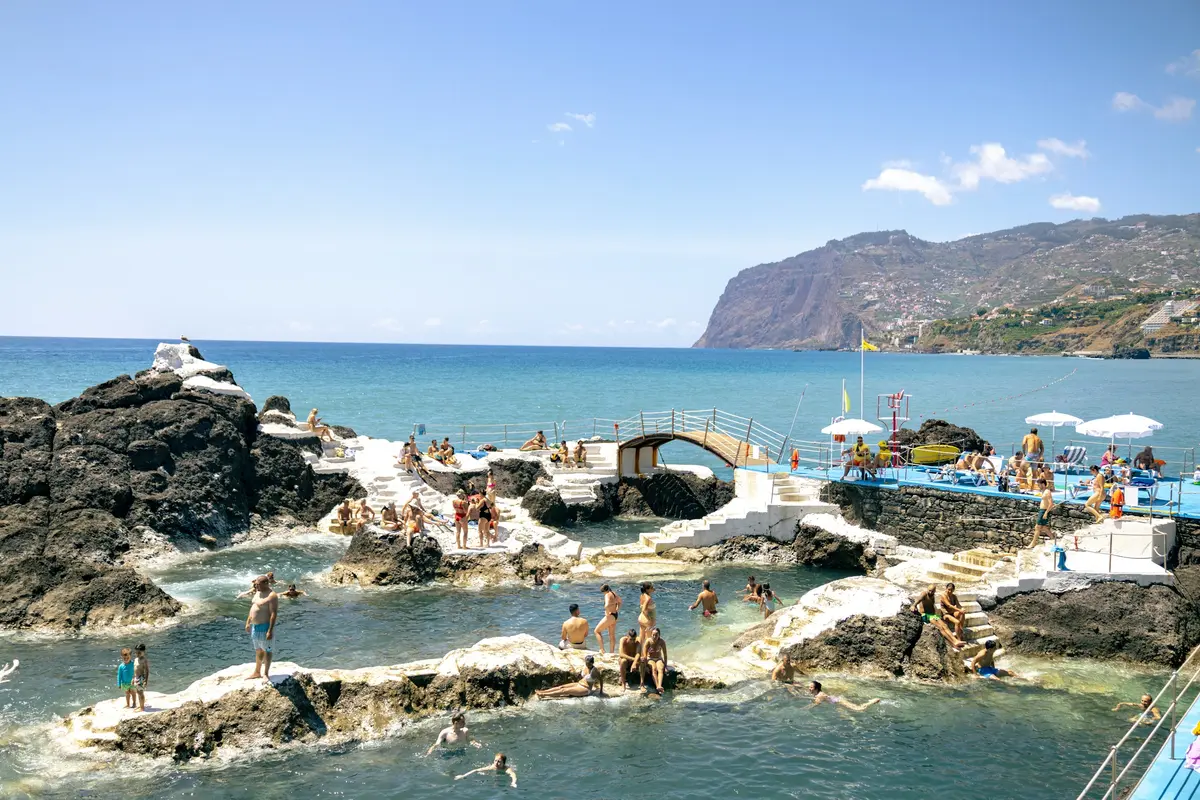
Lidos are bathing complexes with sea-water pools, ladders into the sea, sunbeds and, in season, lifeguards. Funchal's municipal lidos – the Lido, Ponta Gorda, Barreirinha and Doca do Cavacas – share one 2026 tariff: €6 for adults, €2 for ages 7 to 17 and free for under-6s, or €9.50 with a sunbed and a parasol.
Natural pools are basins in the black lava rock refilled by the waves, the most spectacular way to swim in Madeira. The best known are at Porto Moniz (about €3 for the managed complex) and Seixal (about €2.50).
Porto Moniz: the classic lava pools on the north-west tip, with changing rooms and lifeguards in season. Seixal: black sand beach and rock pools under green cliffs. Funchal: the Lido and Ponta Gorda for families, Doca do Cavacas for a small volcanic pool by the sea, Praia Formosa for a long walk on the pebbles.
Calheta: golden sand and calm water on the sunny south-west coast, ideal with children. Machico: the other golden beach, close to the airport. Garajau, near Caniço: a marine reserve since 1986 with some of the clearest water on the island, reached by road or by cable car from the Cristo Rei area – the best spot for snorkelling.
Even on a sunny day the Atlantic can bring strong swells and currents, especially on the north coast and outside summer. Swim where lifeguards are on duty when you can, and respect the flags: red means no swimming, yellow means paddle at the edge only. If a current pulls you out, swim parallel to the shore until you are free of it, then head back in.
Entries are often over rock or ladders, so water shoes help, and waves can sweep over the edges of natural pools in rough weather. IPMA issues sea warnings (agitação marítima) for Madeira; any active warning appears in the box on this page.
Now and then Portuguese man o' war drift onto the beaches, as at Prainha in spring 2025. Do not touch them, even when they look dead, because their tentacles can still cause painful burns; warn the people around you and tell the lifeguards.
The water around Madeira is clear, and the marine reserves at Garajau and around Ponta de São Lourenço are rich in fish. Beginners can try a first dive or a snorkelling trip with an operator, and many boat trips stop for a swim in quiet coves; see our adventure activities and boat trips.
Lidos and lifeguard cover follow the bathing season, which officially runs from 15 April to 31 October, with dates that vary by beach; the busiest months are July and August, when it pays to arrive early. Bring a towel, sun cream and water shoes, and keep valuables to a minimum. For an overview of every beach on the island, see our guide to Madeira's beaches.
Yes, if you do not mind water of about 18 °C. Many people swim year-round in Funchal's lidos, but the comfortable season for most visitors is June to October.
About 20 °C in June, 22 °C in July and 23 °C in August and September, staying around 22 °C in October.
A few: Calheta and Machico have golden sand brought in, Seixal and Prainha have natural black sand, and Porto Santo has a 9 km natural golden beach.
Funchal's municipal lidos cost €6 for adults in 2026 (€2 for ages 7 to 17, free under 6). The natural pools at Porto Moniz cost about €3 and Seixal about €2.50.
Yes, at supervised lidos, pools and beaches in calm conditions. The Atlantic can be rough, so respect the flags and any IPMA sea warning, and avoid swimming alone off the rocks.
A short introduction to scuba diving off Funchal for people who have never dived before. The session lasts about two hours.
from €43 per person
Check availabilityvia GetYourGuide

Self-guided snorkelling at your own pace in clear water with colourful fish. Equipment is rented on site, and a lesson comes before you start.
from €20 per person
Check availabilityvia Viator
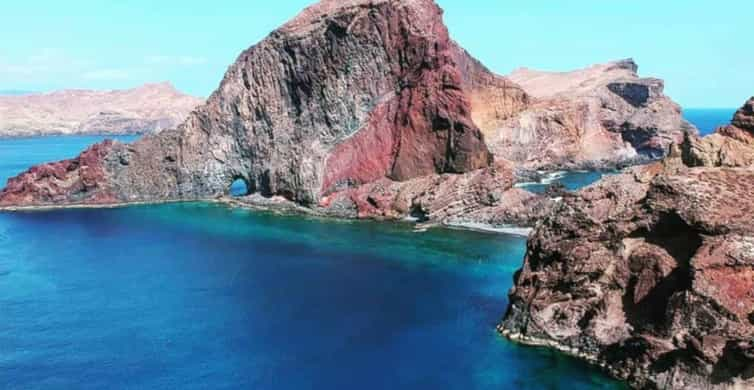
A boat outing to the waters around Ponta de São Lourenço, suited to anyone who wants to swim and snorkel off Madeira's eastern tip. It takes about two hours.
from €35 per person
Check availabilityvia GetYourGuide

Paddle in a protected bay and take a short snorkel break, with the gear brought along. Suits those who want light exercise combined with time in the water.
from €28 per person
Check availabilityvia Viator
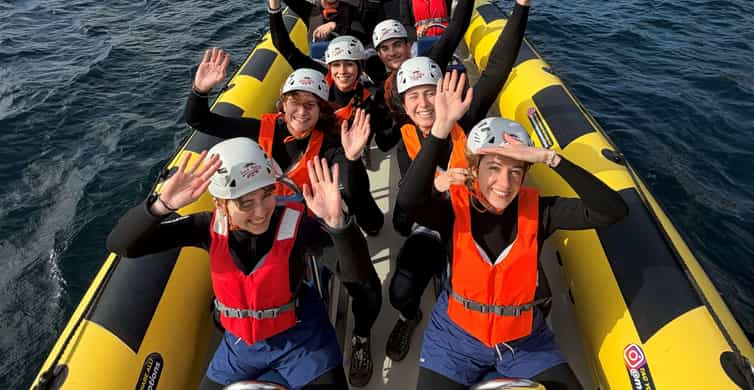
For active travellers who want to explore the coastline by climbing, swimming and snorkeling. Pickup is included, and the activity runs about five hours in total.
from €74 per person
Check availabilityvia GetYourGuide

Suits anyone who wants to see the eastern peninsula from the sea: lighthouse, coves and caves, plus a swim stop at Cais do Sardinha. Departs from Marina da Quinta do Lorde.
from €37.50 per person
Check availabilityvia Viator

Day trip in a small group from the south coast over the central plateau to the north, with stops at Ribeira Brava viewpoint, Fanal Forest and the natural pools of Porto Moniz.
from €35.22 per person
Check availabilityvia Viator

Paddle from Calheta beach to the Cal islet or Zimbralinho beach and see volcanic rock formations up close. Suitable for children; the duration depends on the group.
from €42 per person
Check availabilityvia Viator
Prices are indicative and may change. The final price is shown by the booking platform. Prices checked: October 16, 2026.


